Khwaja Abu Nasr Parsa Mosque
-
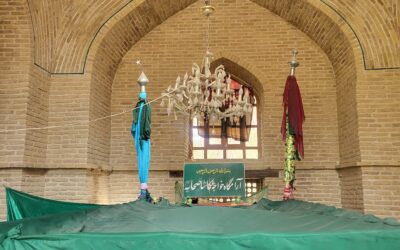
The Khwaja Abu Nasr Parsa Mosque, popularly known as the Green Musjid, is one of the most significant historical Islamic monuments in Balkh, Afghanistan. The shrine is associated with Khwaja Abu Nasr Parsa, an influential Islamic scholar and spiritual leader of the Naqshbandi Sufi order. Following his death around 1460–1461, a mausoleum was established at his burial place. Construction of the original shrine is generally dated to approximately 1462–1463, with further development taking place in later centuries.
-
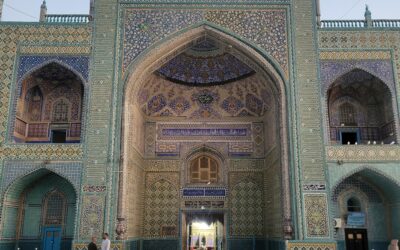
The monument is an excellent example of Timurid architecture, featuring a distinctive fluted dome, elaborate entrance portal and intricate glazed tilework. Its striking blue, turquoise and green decorative patterns, combined with geometric and floral designs, give the building its popular name, the Green Musjid. The interior features elegant arches, decorative plasterwork and windows that allow natural light into the domed chamber.
-
Over the centuries, the monument experienced deterioration and damage. Restoration and conservation efforts, including work supported by the Aga Khan Trust for Culture, have helped preserve its architectural features and surrounding historic environment.
-
The Khwaja Abu Nasr Parsa Musjid remains an important symbol of Afghanistan’s Islamic heritage. Its remarkable architecture, intricate decoration and spiritual history reflect the artistic and cultural achievements of the Timurid period and the enduring legacy of Islamic architecture in Central Asia.
- The Musjid reflects Balkh’s historical importance as a centre of Islamic scholarship, spirituality and culture. Its association with Khwaja Abu Nasr Parsa and the Naqshbandi tradition makes it an important religious and historical landmark.