Mazar Ali
How to get here
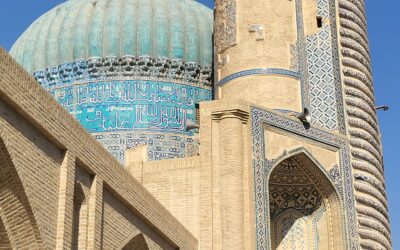
The Shrine of Hazrat Ali is situated in the centre of Mazar-i-Sharif, in Afghanistan’s Balkh Province. The shrine is accessible by taxi or private vehicle from different parts of the city. Its distinctive blue domes and decorated minarets make it one of the city’s most recognisable landmarks. The complex is surrounded by gardens and public spaces and can be reached on foot from the nearby city centre.
Mazar Ali
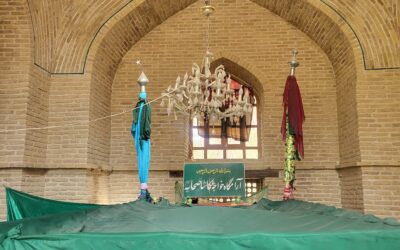
- The Shrine of Hazrat Ali, popularly known as the Blue Musjid, is one of Afghanistan’s most celebrated Islamic heritage sites. Located in the heart of Mazar-i-Sharif, it is traditionally believed by many local Muslims to be the burial place of Ali ibn Abi Talib (Radhiyallahu Anhu), the cousin and son-in-law of Nabi Muhammad ﷺ and the fourth Caliph of Islam. According to local tradition, the original shrine was established around 1135–1136 during the reign of Seljuk Sultan Ahmad Sanjar. The original structure was destroyed during the Mongol invasions, and the present shrine was rebuilt between 1480 and 1481 under the Timurid ruler Sultan Husayn Bayqara.
- The shrine is renowned for its spectacular blue and turquoise tilework, intricate floral patterns and impressive architectural design. Its large domes, decorated minarets and beautifully ornamented entrances make it one of the finest examples of Timurid architecture in Afghanistan.
- The extensive use of glazed ceramic tiles creates a striking appearance, with geometric patterns and decorative calligraphy covering much of the exterior. The surrounding courtyard and gardens add to the beauty and peaceful atmosphere of the complex.
- The shrine holds great religious and cultural importance and attracts visitors and pilgrims from across Afghanistan and beyond. It is particularly associated with the annual Nowruz celebrations, during which large crowds gather for the traditional raising of the Janda, a ceremonial flag honouring Hazrat Ali (Radhiyallahu Anhu)
- The city’s name, Mazar-i-Sharif, translates to “Tomb of the Noble”, reflecting the shrine’s importance in the history and identity of the region. The identification of the site as the burial place of Hazrat Ali (Radhiyallahu Anhu) is a longstanding Afghan tradition, although the widely accepted location of his grave among most Muslims is Najaf, Iraq.
- Over the centuries, the shrine has undergone numerous restorations and renovations to preserve its remarkable architecture and decorative features. Despite damage, neglect and the challenges of maintaining historic buildings, it remains one of Afghanistan’s most recognisable Islamic landmarks and an important symbol of the country’s religious and architectural heritage.