Bab Faradees
How to Get Here:
Bab al-Faradis is located within the Amara market area on the northern side of the Old City. From the Umayyad Musjid, leave through the northern side and walk towards the Amara neighbourhood. The gateway is incorporated into the market streets and can be easy to miss among the surrounding shops.
-
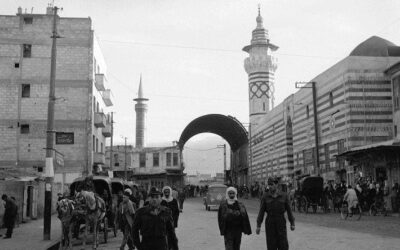
Bab al-Faradis, also known as Bab al-Amara, is a historic gateway on the northern side of the Old City of Damascus, Syria. Its name is commonly translated as the Gate of the Gardens or Gate of Paradise, referring to the orchards and gardens that once surrounded this part of the city. The gate is situated within the historic Amara market area and forms part of the ancient defensive wall of Damascus.
-
During the Roman period, Damascus was protected by fortified walls with several principal entrances. Bab al-Faradis is traditionally counted among the seven ancient Roman gates and was associated with the planet Mercury. However, the exact relationship between the Roman gateway and the surviving medieval structure is debated. Some historical descriptions indicate that the original Roman gate stood slightly south of the present entrance.
-
The name al-Faradis is connected with the fertile gardens and orchards that once flourished outside the northern walls of Damascus. These green spaces were an important feature of the city’s surroundings, supported by the water channels and irrigation systems that supplied the region. The gate provided access between the walled city and the surrounding settlements, gardens and agricultural areas.
-
The gateway underwent substantial reconstruction during the Islamic period. The surviving structure is principally associated with the Ayyubid period, when the rulers of Damascus strengthened and restored the city’s fortifications. In 1241 CE (639 AH), the Ayyubid ruler al-Salih Imad al-Din Ismail undertook work on the gate. An inscription associated with this reconstruction records his patronage. The present gateway therefore preserves important features of medieval Ayyubid defensive architecture.
-
Bab al-Faradis is also known as Bab al-Amara because of its association with the historic Amara district. Over time, the area surrounding the entrance developed into a busy commercial neighbourhood, with markets and shops extending through the streets on both sides of the old city wall. The gate gradually became part of the everyday movement of residents and merchants rather than serving only as a defensive entrance.
-
Today, Bab al-Faradis remains within the traditional market streets of the Amara quarter. Although surrounded by shops and buildings, its historic stone gateway remains an important reminder of the successive Roman, Islamic and Ayyubid periods in Damascus. Visitors exploring the northern section of the Old City can also visit nearby Bab al-Salam and the surrounding historic neighbourhoods.
-
It is important to distinguish Bab al-Faradis from Bab al-Faraj, another historic gate of Damascus. Bab al-Faraj was opened under Nur al-Din Zangi in the 12th century and is regarded as a later addition to the city’s original Roman gate system. The two gates are separate historical sites.